Autumn baskets go in around September, using foliage colour, berries and hardy bedding rather than summer flowers. It is the easiest season to get right because the weather does most of the watering, and a good autumn basket bridges straight into winter.
Autumn is the season people abandon. The summer basket goes over, it gets taken down in October, and nothing replaces it until May.
Why autumn is the easy season
Because the weather does most of the work. Rain is more frequent, temperatures are lower, and the daily watering that dominates July is largely gone.
Growth is slower, so a well-planted autumn basket holds its shape for weeks rather than needing constant deadheading. It is genuinely the lowest-maintenance planted basket of the year.
When to swap over
Around September, when the summer display starts to go over rather than after it has collapsed.
Swapping while there is still warmth in the soil gives the new plants a chance to root before it gets cold, which is the whole trick. Leaving it until November means putting plants into cold compost, and they sit there doing nothing.
What autumn baskets are made of
Foliage and colour rather than a mass of flowers.
Ornamental grasses for movement and height.
Heucheras, which come in bronze, amber and deep red and hold their leaves.
Cyclamen, which flower right through into winter in a sheltered spot.
Winter pansies and violas, planted now to flower on and off for months.
Ivy and trailing evergreens to spill over the edge and hide the basket.
Skimmia or gaultheria for berries and structure.
All from a nursery or garden centre - we sell the basket, liner and bracket rather than the plants - the flowers guide covers choosing.
Colour that suits the season
Autumn baskets look best in the season's own palette - bronze, russet, deep red, purple, amber and cream - rather than the bright pinks and blues that suit June.
The easiest way to get it wrong is to plant a summer scheme in September and wonder why it looks out of place against the leaves.
Watering in autumn
Much less, and the mistake shifts from underwatering to overwatering.
Check by weight rather than by habit, make sure the basket drains, and remember that a waterlogged basket going into the first frost is a real problem - the care guide covers the test.
Wind is the autumn hazard
Not frost, which comes later. Autumn brings the first proper gales, and a basket that swung gently all summer starts taking a beating.
Check the bracket and the chain before the weather turns, shorten a long chain if you can, and move an exposed basket somewhere more sheltered if there is a choice - the hanging guide covers checking a fixing.
Bridging into winter
The advantage of planting for autumn properly: much of it carries straight through.
Winter pansies, ivy, heucheras and skimmia all keep going, so a well-planned autumn basket does not need replacing in November - it just gets quieter. Add a few sprigs of something festive in December and it becomes a Christmas display without starting again.
The winter plants guide and the autumn range cover the transition, with the Christmas range for December.
Artificial in autumn
Autumn is where faux displays start to make obvious sense, because living displays are winding down while the weather is getting harder.
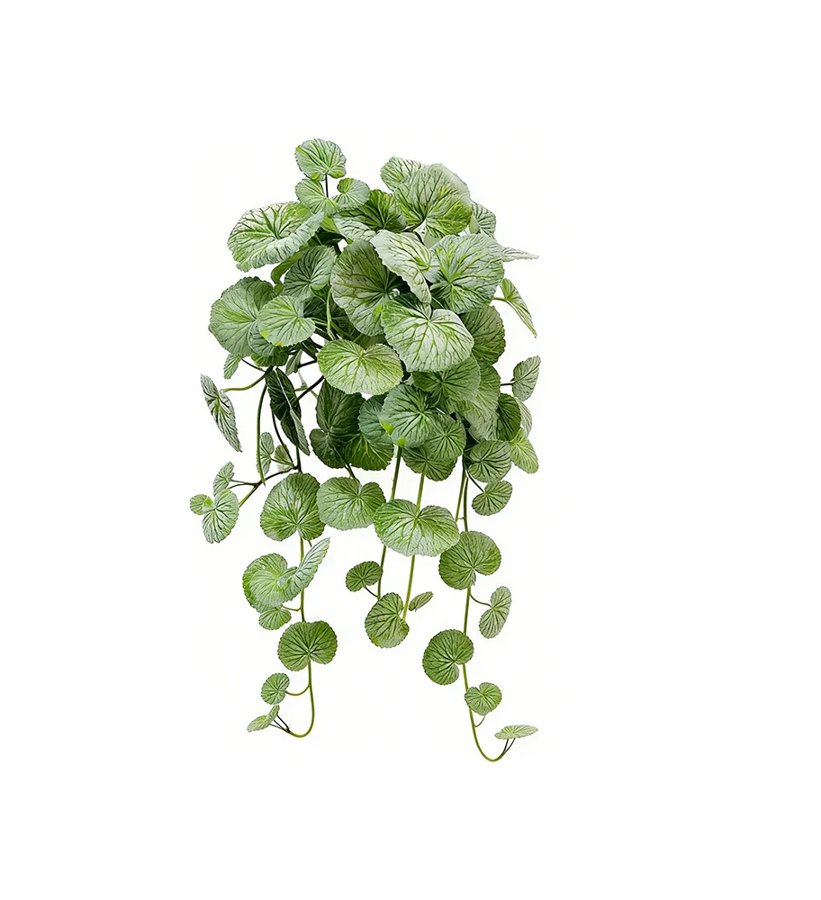
Autumn-toned artificial foliage holds its colour through months when the real equivalent would be looking tired, and it needs nothing at all through the wet season - the artificial range covers it and the artificial hanging baskets guide covers what lasts.
Berries and what eats them
Worth knowing before choosing a berrying plant for an autumn basket.
Birds will strip skimmia and gaultheria berries, sometimes within days of the basket going up, which is either a nuisance or the point depending on how you feel about birds. A basket close to a window is more likely to be left alone than one on an open wall.
If the berries are the whole display, that is worth knowing in advance - foliage and structure are the more reliable backbone - the autumn range covers artificial alternatives that nothing eats.
Clearing the summer basket
Strip it, tip the old compost out, and wash the basket and liner before replanting. Old compost is exhausted and often carries whatever the summer had, and a clean start costs one bag of compost.
It is also the moment to check the bracket while everything is down - the seasonal displays guide covers what goes back in.
What to buy
A liner, a bag of container compost and whatever the scheme needs. Free UK delivery over £20 and a flat £5.99 below - the liners range is usually the only hardware an autumn swap needs.
The short version
- Autumn is the lowest-maintenance planted season - the weather does the watering.
- Swap in September while there is warmth in the soil, not after the summer basket dies.
- Plant for foliage and berries in the season's palette, not a summer scheme in September.
- The autumn hazard is wind, not frost - check the bracket and chain before the gales.
- A well-planned autumn basket carries straight through winter without replanting.
Frequently asked questions
When should I plant an autumn hanging basket?
Around September, while there is still warmth in the soil, so the plants root before it turns cold. Leaving it until November means putting plants into cold compost where they will simply sit.
What goes in an autumn basket?
Foliage and colour rather than masses of flowers - ornamental grasses, heucheras, cyclamen, winter pansies and violas, trailing ivy, and skimmia or gaultheria for berries and structure.
How often should I water in autumn?
Much less than in summer, and the risk shifts to overwatering. Check by weight rather than habit, make sure the basket drains, and avoid going into the first frost with a waterlogged basket.
Do I need to replant again for winter?
Not if the autumn planting was chosen well. Winter pansies, ivy, heucheras and skimmia all carry on, so the display just gets quieter - add something festive in December and it becomes a Christmas basket.
What should I do with the old summer basket?
Strip it, tip out the old compost, and wash the basket and liner before replanting. Old compost is exhausted, and having everything down is the easiest moment to check the bracket and fixings.