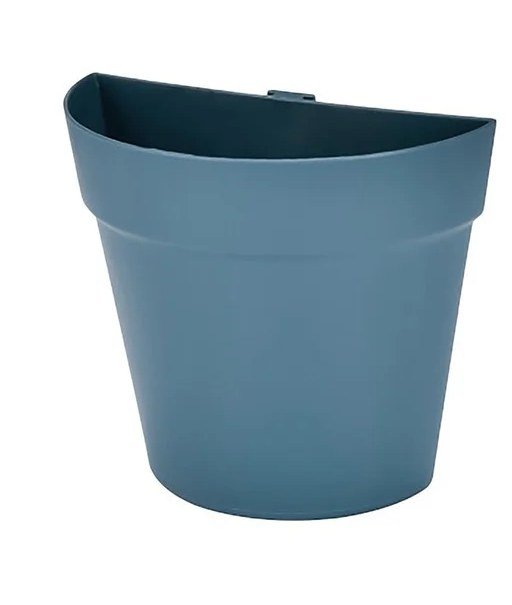
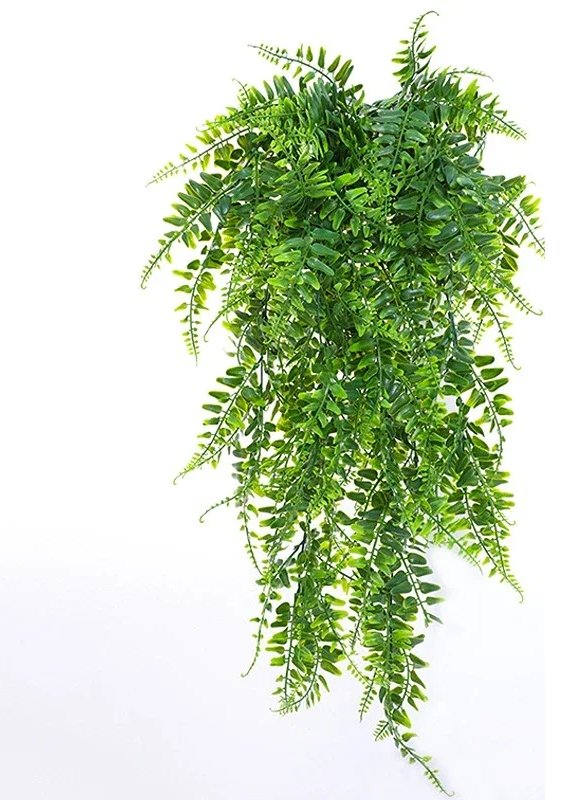
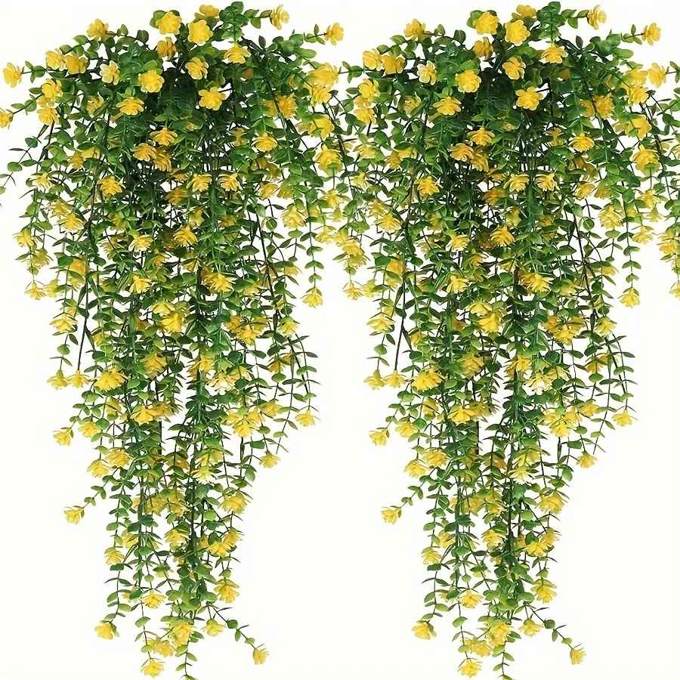
A heavy-duty bracket has thicker steel, a deeper wall plate and usually two or three fixing points rather than one. You need one when the basket is 40cm or more, when the wall is render or timber, or when the basket is above anywhere people stand.
Most brackets sold are fine for a 30cm basket. The question is what happens when the basket is half as big again and full of water.
What heavy-duty actually means
Three things change, and they are worth recognising because the label alone means nothing.
Thicker steel, so the arm does not bend under load or flex when the wind moves the basket.
A deeper wall plate with two or three fixing points instead of one, which spreads the load into the wall rather than concentrating it.
Better fixings supplied, or at least the holes for them - a heavy-duty pair is the version we stock.
When you need one
A basket of 40cm or more, where the watered weight is substantial - the large baskets guide covers sizing.
Render, pebbledash or anything with a surface layer, where the load has to reach solid material behind.
Timber, fence posts and sheds, which flex more than masonry.
Anywhere above where people stand - a doorway, a path, a patio.
Exposed walls, where wind adds a sideways load a still basket never sees.
The load calculation, done simply
You do not need arithmetic. Plant the basket, water it thoroughly, let it drain, then lift it.
That is the number the bracket has to hold, and it is usually noticeably more than people expect. Choose a bracket whose rated load is comfortably above it - not equal to it, because a rating is a maximum rather than a working figure.
Two fixing points beat one
The single biggest difference between a light bracket and a heavy one.
A single screw takes the whole load in one spot and lets the bracket rotate slightly under weight, which works the fixing loose over a season. Two or three screws in a vertical line stop rotation and share the pull.
If a bracket you like has only one hole, that is a reason to look at another one for a big basket.
Reach matters more at size
A 40cm basket needs meaningfully more projection than a 30cm one to hang clear of the wall - as a rough rule, more than half the diameter.
Longer reach also increases the leverage on the fixing, which is exactly why the wall plate and the fixings matter more on a big bracket. A long arm on a thin plate is the worst combination available.
What you are fixing into
Solid brick or stone: the straightforward case, with plugs and screws sized for the bracket.
Render over block: longer fixings that reach past the render into the solid layer.
Timber posts: long screws into solid wood, no plugs.
Fence panels: avoid. A panel flexes and a heavy basket turns that flex into a lever.
Follow the guidance supplied with the bracket and the fixings rather than general advice - the fixings guide covers wall types properly.
Drilling into masonry
A few practical points that make the difference between a fixing that holds and one that does not.
Drill into brick rather than mortar joints where you can - brick holds a plug far better. Use the right size bit for the plug rather than one you happen to have. Drill deep enough that the plug sits fully below the surface. And blow the dust out of the hole before inserting the plug, because dust is what stops a plug gripping.
Getting them level
Mark the top hole, drill and fix it loosely, then use a spirit level to set the bracket before marking the second hole. Marking both from a tape measure and hoping is how brackets end up slightly off, which is very visible once a basket hangs from it.
For a pair either side of a door, reference both from the door frame rather than from the ground.
Rust, and where it starts
At the wall plate, because that is where water sits and where the coating gets scratched during fitting.
Powder-coated and galvanised finishes last considerably longer than painted ones. If you scratch the coating putting it up, a dab of paint over the scratch is worth the two minutes.
Checking it after the first month
Worth doing once, early, on a heavy installation. Fixings bed in, and a bracket that has taken a month of watered weight will tell you whether the wall is holding.
Push and pull it firmly, look for any movement or cracking around the fixings, and tighten if needed. After that, once a year is enough - the hanging guide covers the annual check.
The alternative: spread the load
Sometimes the honest answer is not a bigger bracket but a different arrangement.
Two medium baskets on two ordinary brackets put half the load in each fixing, which on a doubtful wall is safer than one large basket on one heavy bracket. It also looks deliberate along a run of wall.
The smaller baskets and the brackets range cover that route.
Or take the weight out entirely
The weight problem with a big basket is water, and an artificial display has none.
A large faux basket weighs a fraction of a planted one, never gets heavier after rain, and puts far less strain on any fixing - which on render or timber is a genuine engineering advantage rather than just convenience - the artificial range covers those.
Freestanding as a third option
If the wall is the problem, do not use the wall. A basket stand takes the load into the ground and needs no fixing at all, which suits rented properties, unknown walls and patios.
The stands range covers them, and the brackets guide covers choosing one.
Buying the pair together
Buy the bracket with the basket, sized for it. Fitting a big basket to whatever bracket is already on the wall is how the reach ends up wrong and the load ends up guessed.
Free UK delivery over £20, a flat £5.99 below, dispatched within 48 hours and arriving within 8 days - the delivery page has the terms.
If in doubt
If you do not know what your wall is made of, or the fixing does not feel right when you tighten it, stop. A bracket costs very little and a large watered basket coming down above a doorway is not a small problem.
The short version
- Heavy-duty means thicker steel, a deeper plate and two or three fixing points.
- Water the basket, let it drain and lift it - that is the load, and it is usually more than you think.
- One screw lets a bracket rotate under load and work itself loose over a season.
- Longer reach increases leverage, so a long arm on a thin plate is the worst combination.
- Two medium baskets on two brackets can be safer than one large basket on one.
Frequently asked questions
When do I need a heavy-duty bracket?
For a basket of 40cm or more, on render, pebbledash or timber, anywhere above where people stand such as a doorway, and on exposed walls where wind adds a sideways load a still basket never sees.
How do I work out the load?
Plant the basket, water it thoroughly, let it drain and lift it. That is the number, and it is usually more than expected. Choose a bracket rated comfortably above it, since a rating is a maximum not a target.
Why do two fixing points matter?
A single screw takes the whole load in one place and lets the bracket rotate slightly under weight, which works the fixing loose over a season. Two or three in a vertical line stop rotation and share the pull.
Can I fit a heavy bracket to a fence?
To a post, with long screws into solid timber. Not to a panel - a panel flexes under a heavy watered basket, and wind turns that flex into a lever working on the fixing.
Is there a way to avoid heavy fixings altogether?
Two, both legitimate. Split the load across two medium baskets on two ordinary brackets, or use an artificial display, which weighs a fraction of a planted basket and never gets heavier after rain.