Use a compost made for containers rather than garden soil, which compacts and drains badly. Mix in water-retaining granules and slow-release feed at planting, then switch to a liquid high-potash feed every week or two from about six weeks on.
Two things decide whether a basket is still flowering in August: how much water it gets, and whether anybody fed it. This is the second one.
Never use garden soil
The most common mistake and the most damaging.
Garden soil compacts in a container, drains badly, is heavy, and brings weed seeds and whatever else was living in it. In a basket, where drainage and weight both matter more than in a border, it is the wrong material.
Use a compost sold for containers or baskets. It is lighter, holds structure when wet, and drains while still retaining moisture.
What basket compost is doing differently
It has to do two contradictory things - hold enough water to survive a hot day, and drain enough that roots do not sit wet.
Container composts are blended for that balance, usually with added material to keep them open. Multi-purpose compost works perfectly well; a dedicated basket or container compost is a little better and costs slightly more.
What to mix in at planting
Water-retaining granules, which swell and hold water, releasing it as things dry. In a basket these are genuinely worth it.
Slow-release feed granules, which cover roughly the first two or three months and take the urgency out of remembering.
Follow the dosage on the pack rather than adding generously - too many granules is a real thing and does not help. The liners range covers what sits underneath it - the planting guide covers the order of work.
The six-week point
This is the number worth remembering. A basket holds a small volume of compost supporting a lot of plant, and the nutrients in fresh compost are largely used up after about six weeks.
That is when a basket that looked wonderful starts producing fewer flowers, smaller flowers and paler leaves. People assume it is finished. It is hungry.
What to feed with
A high-potash liquid feed is what you want for flowering baskets - tomato food is exactly this and is the cheapest way to buy it.
High nitrogen feeds push leafy growth at the expense of flowers, which is the opposite of what a summer basket needs. If you are feeding and getting lots of leaves and few blooms, check what is in the bottle.
How often
Every week to a fortnight through the flowering season, at the dilution stated on the bottle.
Little and often beats occasional and strong. A weak feed weekly is better for the plants than a strong one monthly, and considerably less likely to scorch roots.
Feed a damp basket, not a dry one
A practical point that matters. Liquid feed going into bone-dry compost can burn roots and mostly runs straight through without being absorbed.
Water first, or feed immediately after a normal watering, so the compost is already damp and the feed spreads evenly - the care and watering guide covers the watering routine.
Signs a basket is hungry
- Fewer flowers than a month ago, on a plant that looks otherwise healthy.
- Paler leaves, particularly the older ones lower down.
- Smaller flowers than the plant produced earlier.
- Slower growth in midsummer, when it should be fastest.
Signs it is overfed
Lush dark foliage and very few flowers usually means too much nitrogen rather than too little feed. A white crust on the compost surface can mean salts building up from over-feeding or hard water.
The fix in both cases is to water through thoroughly with plain water and then feed less often - the watering range covers doing that without soaking yourself.
Winter and autumn baskets
Feed far less. Growth is slow, days are short, and pushing a plant with feed in November produces soft growth that frost then damages.
A single feed in early autumn is plenty, and nothing through the depths of winter - the winter plants guide covers the season.
Reusing last year's compost
Not recommended for baskets. It is exhausted, its structure has collapsed, and it may carry pests or disease from the previous display.
A basket takes a small amount, so the saving is minimal and the risk is not. Tip the old compost onto a border or a compost heap, wash the basket out, and start fresh - the watering range covers cleaning one properly - the autumn guide covers the changeover.
Where the liner comes into it
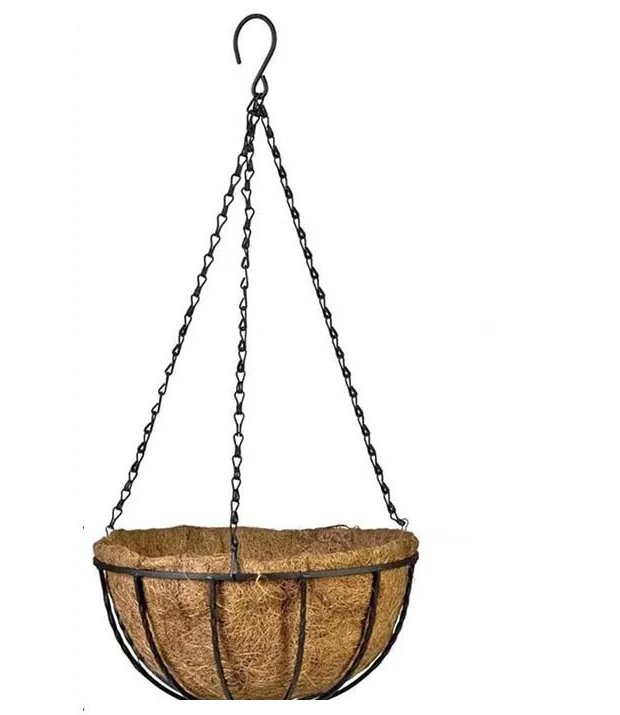
The liner decides how fast the compost dries, which decides how often feed gets washed through. A well-lined basket holds both water and nutrients for longer, so it needs feeding slightly less often than an open one.
The liners range covers them, and the lining guide covers fitting one.
What we sell and what we do not
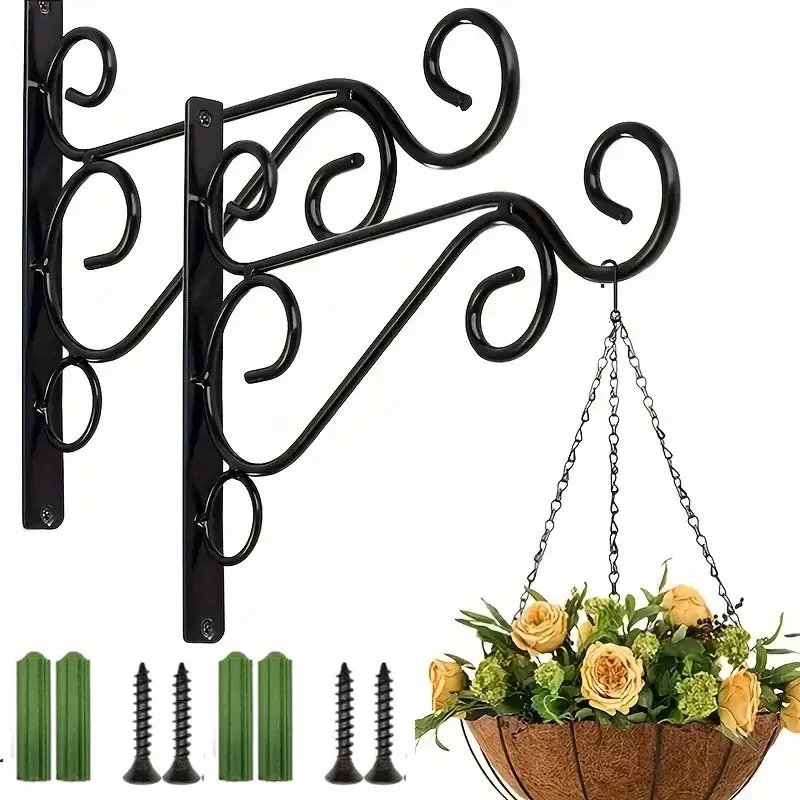
We sell the baskets, the liners, the brackets and the watering kit. Compost, feed and the plants themselves come from a garden centre - the basket range is our side of it, with free UK delivery over £20.
The short version
- Garden soil compacts, drains badly and is heavy - use a container compost.
- Mix in water-retaining granules and slow-release feed at planting time.
- Six weeks is when fresh compost runs out and flowering drops off.
- Use a high-potash liquid feed; high nitrogen gives leaves instead of flowers.
- Never feed bone-dry compost - water first, or feed straight after watering.
Frequently asked questions
What compost should I use in a hanging basket?
One sold for containers or baskets rather than garden soil, which compacts, drains badly, is heavy and brings weed seeds. Multi-purpose works fine; a dedicated container compost is slightly better.
When should I start feeding?
About six weeks after planting, when the nutrients in fresh compost are largely used up. That is exactly when a basket that looked wonderful starts producing fewer and smaller flowers.
What feed is best for hanging baskets?
A high-potash liquid feed - tomato food is precisely this and the cheapest way to buy it. High-nitrogen feeds push leafy growth at the expense of flowers, which is the opposite of what you want.
How often should I feed?
Every week to a fortnight through the flowering season, at the dilution on the bottle. Little and often beats occasional and strong, and it is far less likely to scorch roots.
Can I reuse last year's compost?
Not for baskets. It is exhausted, its structure has collapsed and it may carry pests or disease from the previous display. A basket takes so little that the saving is not worth the risk.