Indoors the fixing is the hard part - a ceiling hook must go into a joist or a rated anchor, never plasterboard alone. Choose plants for the light the room actually gets, and use a planter with a sealed base or a drip tray so nothing marks the floor.
Hanging things indoors is mostly a question of what you are fixing into, and the answer is almost never the ceiling surface itself.
The fixing comes first
A hook in plasterboard alone will pull out, and it will do it at the worst moment - usually just after watering, when the planter is heaviest.
Find a joist, or use an anchor specifically rated for the load in a plasterboard ceiling, and follow the manufacturer's guidance. If you cannot locate a joist, that is the point to use a wall bracket or a freestanding stand instead of guessing - the stands range covers those.
What you can hang from
Ceiling joists, the strongest option and the tidiest.
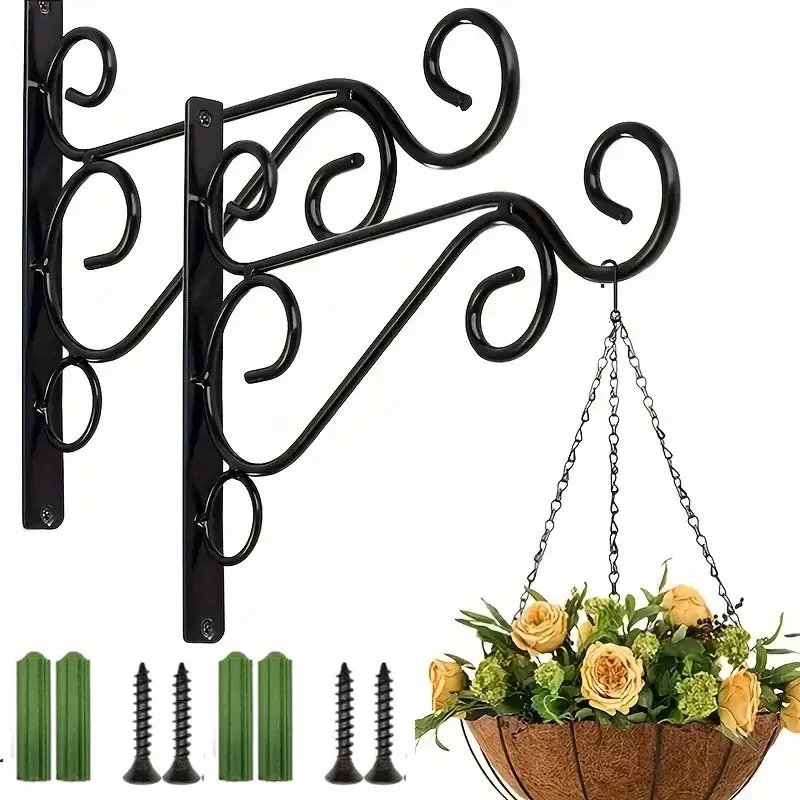
A wall bracket, which puts the load into a vertical wall where fixings are more predictable.
A curtain pole or shelf bracket, for something genuinely light.
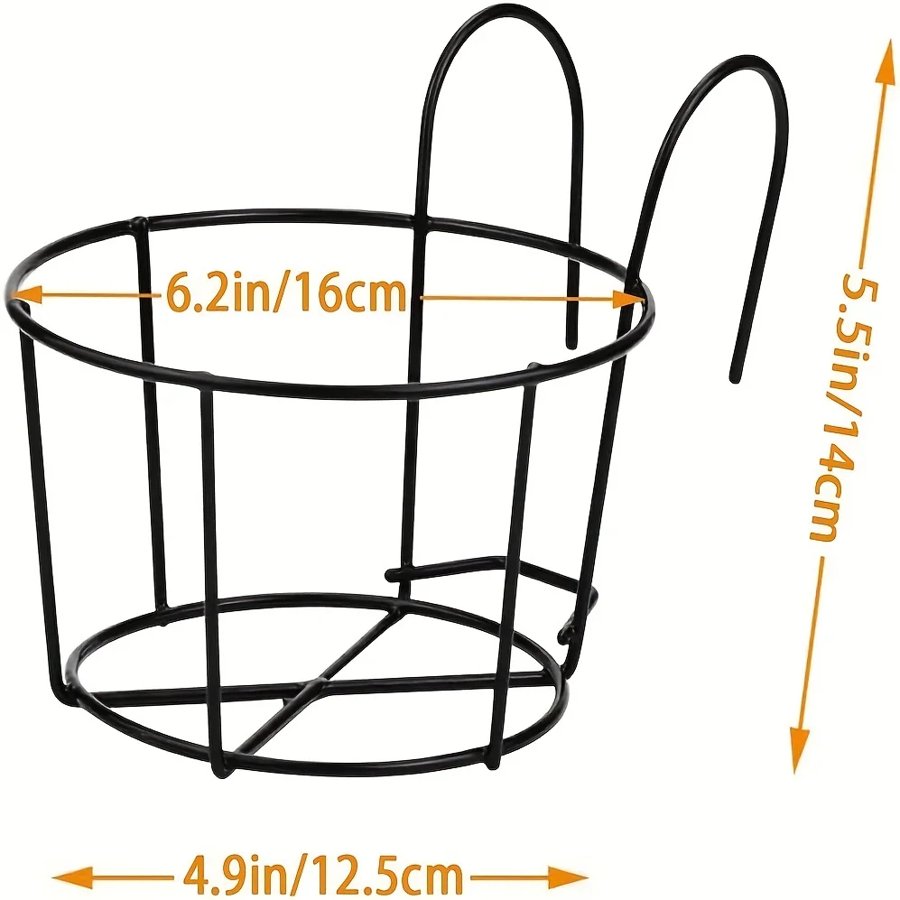
A freestanding stand, which needs no fixing at all and is the renter's answer - the indoor range covers no-drill options.
Weight indoors
The same rule as outside: work from the watered weight. A planter that feels light on the shelf is a different object once it holds damp compost.
Indoors there is the added point that anything coming down lands on a floor you care about, so the margin matters more rather than less.
Light is the limiting factor
Most indoor spots are darker than they feel, because eyes adjust and plants do not.
A hanging position is often several feet from a window and above the light line, which makes it darker still. So choose for low light unless the planter is genuinely close to a bright window - trailing foliage plants cope far better indoors than flowering ones.
Buy those from a garden centre or plant shop; we sell what they hang in rather than the plants themselves.
Watering without marking the floor
The practical problem indoors, and there are three answers.
A sealed planter with no drainage hole, watered carefully and sparingly.
A planter with a drainage hole sitting inside an outer cover, which is the arrangement most houseplants prefer.
Taking it down to water at a sink and letting it drain before rehanging - which is where a pulley or a low fixing helps - the watering range covers the kit.
Macrame and soft hangers
The classic indoor look, and genuinely practical - a macrame hanger weighs almost nothing itself, adjusts in length and suits a plain pot.
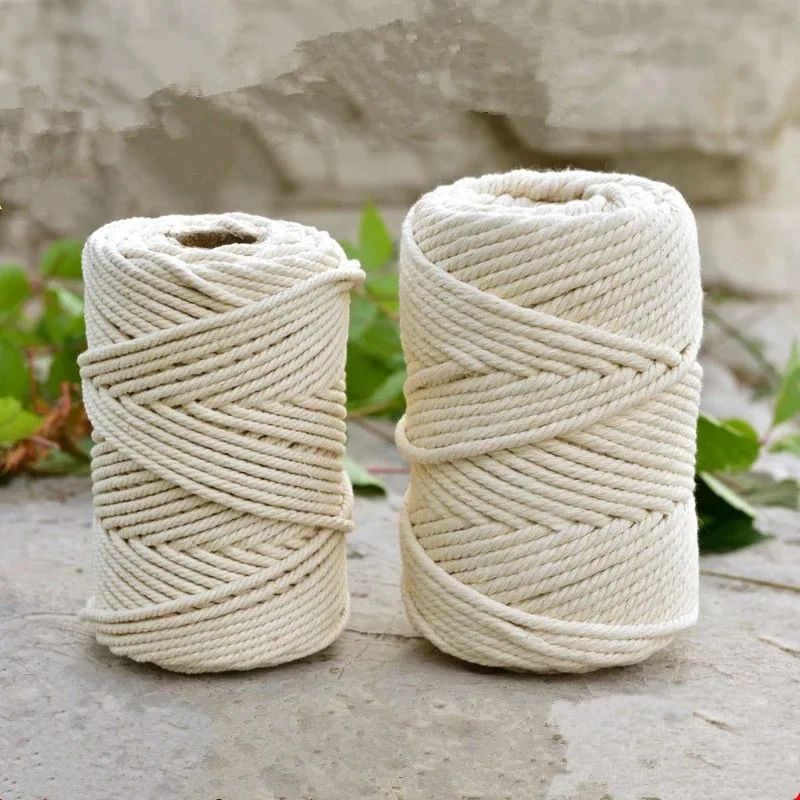
A macrame hanger is the ready-made route, and macrame cord is there if you would rather make your own - the indoor range covers both.
Where to hang things indoors
In front of a window, where the light is and where it screens without blocking. In a corner that has nothing in it. Over a stairwell, where there is height nothing else uses. Or in a kitchen or bathroom, where humidity suits a lot of trailing plants.
Where not to: anywhere you walk, anywhere over a bed or a sofa unless the fixing is genuinely solid, and directly above anything electrical.
Head height
Worth thinking about before drilling. A planter you walk into once is a planter you resent, and trailing growth gets longer over time.
Hang it clear of any walking line, or in a corner where nobody passes under it.
Artificial indoors
Indoors is where artificial displays are hardest to spot, because the light is even and nobody is looking at a leaf from six inches.
It also solves the two indoor problems at once - no watering, so no floor marks, and no light requirement, so a dark corner works. The artificial flowering range adds colour to that. The artificial range covers those, and the faux guide covers what looks convincing.
Humidity rooms
Kitchens and bathrooms are the two indoor spots that suit trailing plants best, because the air is damper than the rest of the house.
A bathroom with a window is close to ideal for a lot of trailing foliage, and a kitchen gets both humidity and, usually, decent light. Both also have the advantage that a few drips onto a hard floor matter far less than they would over a carpet.
The thing to check in either is that a hanging planter is clear of a shower door, a cupboard door and anywhere steam collects directly.
Cleaning indoor planters
Dust settles on indoor foliage far more than outdoor, where rain deals with it.
A wipe with a damp cloth every few weeks keeps living leaves working properly and keeps artificial ones from looking grey. It is a five-minute job that makes a surprising difference to how a display reads - the wall and fence range covers the planters.
Styling it
One good planter beats three mediocre ones, and odd numbers at different heights look considered where a row at one height looks like a shop display - the hanging planters covers arranging them.
Free UK delivery over £20, dispatched within 48 hours and arriving within 8 days - the delivery page has it.
The short version
- A hook in plasterboard alone will pull out - find a joist or use a rated anchor.
- Work from the watered weight, and indoors the margin matters more, not less.
- Hanging spots are darker than they feel - choose foliage over flowering plants.
- Use a sealed planter, an inner pot with an outer cover, or take it down to water.
- Hang clear of any walking line, remembering trailing growth gets longer.
Frequently asked questions
What can I hang an indoor planter from?
A ceiling joist is strongest and tidiest, a wall bracket puts the load into a more predictable fixing, and a freestanding stand needs no fixing at all. Never rely on plasterboard alone.
How do I water an indoor hanging planter?
Use a sealed planter watered sparingly, an inner pot with a drainage hole sitting in an outer cover, or take it down to a sink and let it drain fully before rehanging.
What plants work in an indoor hanging basket?
Trailing foliage plants, which cope with low light far better than flowering ones. Hanging spots are usually several feet from a window and above the light line, so they are darker than they feel.
Where should I not hang one?
Anywhere you walk, over a bed or sofa unless the fixing is genuinely solid, and directly above anything electrical. Remember trailing growth gets longer, so allow more headroom than you need on day one.
Do artificial planters work indoors?
Indoors is where they are hardest to spot, because the light is even and nobody inspects a leaf closely. They also solve both indoor problems at once - no watering to mark the floor, and no light requirement.