A wall-mounted basket has a flat back and fixes directly to the wall rather than hanging from a bracket. It projects less, does not swing in wind, and suits narrow passages, fences and anywhere a bracket would be in the way.
Different product to a hanging basket, solving a different problem, and frequently the better answer in a tight space.
What they are
A half-basket with a flat back, fixed straight onto a wall or fence. The planting faces outward and forward rather than hanging below a bracket.
No bracket, no chains, no swing - and considerably less projection into the space in front of the wall.
Where they beat a hanging basket
Narrow passages and side returns, where anything projecting gets caught by a wheelie bin or a shoulder.
Below a window, where a hanging basket would block the view and a wall basket sits under the sill.
Fences, which flex badly under a swinging load but take a flat-backed basket well.
Anywhere windy, since there is nothing to swing - the wall and fence range covers them.
Where a hanging basket still wins
Where you want a full ball of planting seen from every side, and where the display is above head height and needs to be seen from below.
A wall basket is a one-sided display. That is fine against a wall and wrong in the middle of a pergola.
Fixing them
Usually two or three holes in the back plate, which is a better arrangement than a bracket's single point because the load sits close to the wall rather than out on an arm.
Less leverage means less strain on the fixing, which is why a wall basket is often the safer choice on render, timber or anything you are unsure about - the fixings guide covers wall types.
Fixing to a fence
The case where wall baskets genuinely shine. A fence panel cannot take a swinging basket on a bracket, but it will usually take a flat-backed one, especially if you fix into a rail or a post rather than the panel boards.
Keep the size modest, water sparingly, and fix through into something solid rather than into thin cladding.
Watering, and the wall behind
The one real drawback. Water runs down the wall behind a wall-mounted basket, and over years that marks render, stains brick and keeps a patch permanently damp.
Two mitigations. Choose one with a solid liner rather than an open back, and water gently at the front rather than flooding it - the care guide covers the routine.
They dry out faster
A half-basket holds roughly half the compost of a round one of the same width, and a wall behind it can reflect a surprising amount of heat.
Expect to water more often than a round basket in the same position, and use water-retaining granules at planting - the compost guide covers what to mix in.
Planting one
Because the display is one-sided, the arrangement changes. Put height at the back against the wall, mounding plants through the middle, and trailers along the front edge only.
There is no point putting anything at the back that trails, since it has a wall to grow into - the planting guide covers the general technique.
Runs and rows
Where wall baskets look best is repeated. Three or five along a fence at the same height read as a considered scheme in a way one on its own does not.
Set them from a level line rather than measuring up from the ground, and space them so the planting will just meet at maturity rather than overlapping.
Height
Lower than a hanging basket, generally. A wall basket is meant to be seen from in front rather than from below, so chest to shoulder height suits most spots.
Under a window, set it far enough below the sill that the planting has somewhere to grow into.
Materials
The same three as round baskets. Coated wire with a liner for the traditional look, wicker or rattan where it will be seen close up, plastic where it is exposed or you want the least work.
The materials comparison covers the trade-offs, and they apply the same way here.
Liners
Half-liners exist, and a round coco liner can be cut down to fit if you cannot find the right size. Cut it slightly large and fold the excess rather than trimming it exactly, since compost pushes a liner outward once it is in.
The liners range and the lining guide cover fitting one.
Artificial in a wall basket
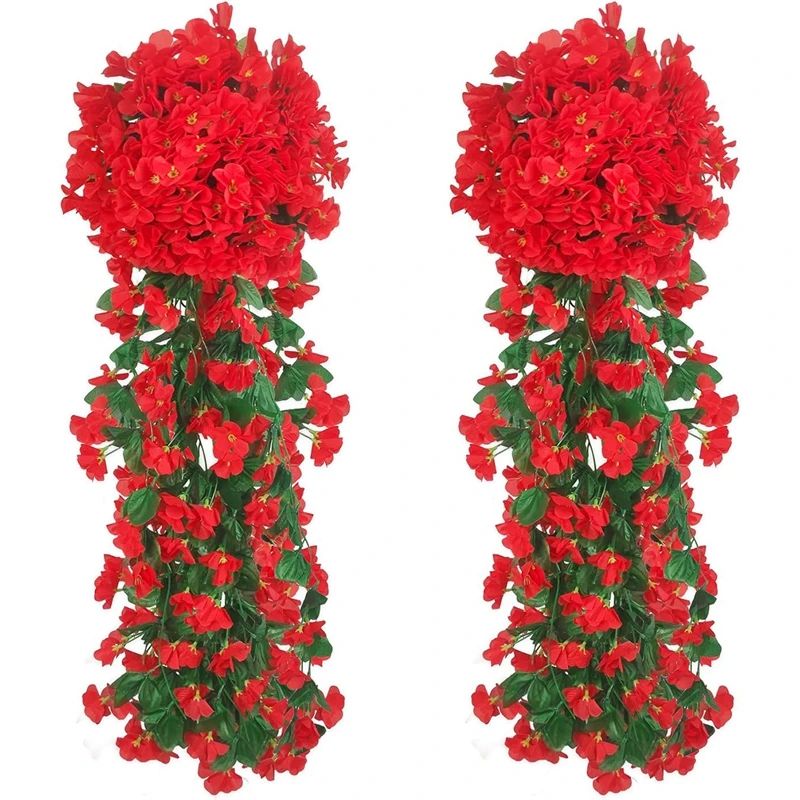
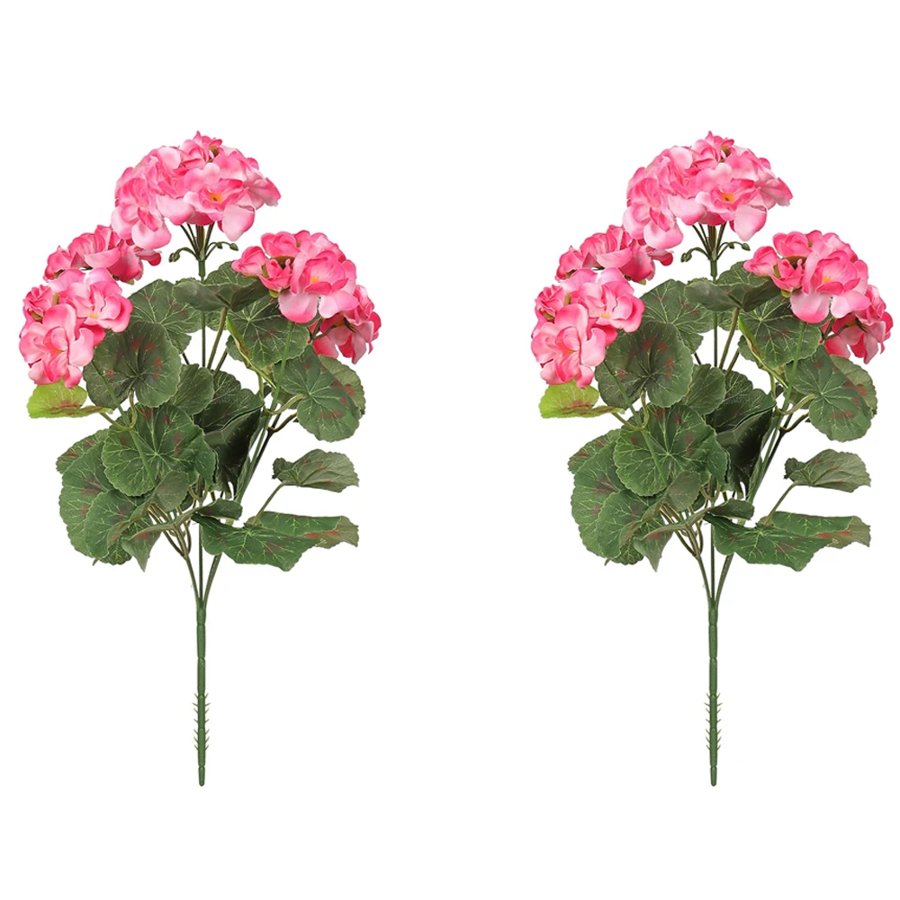
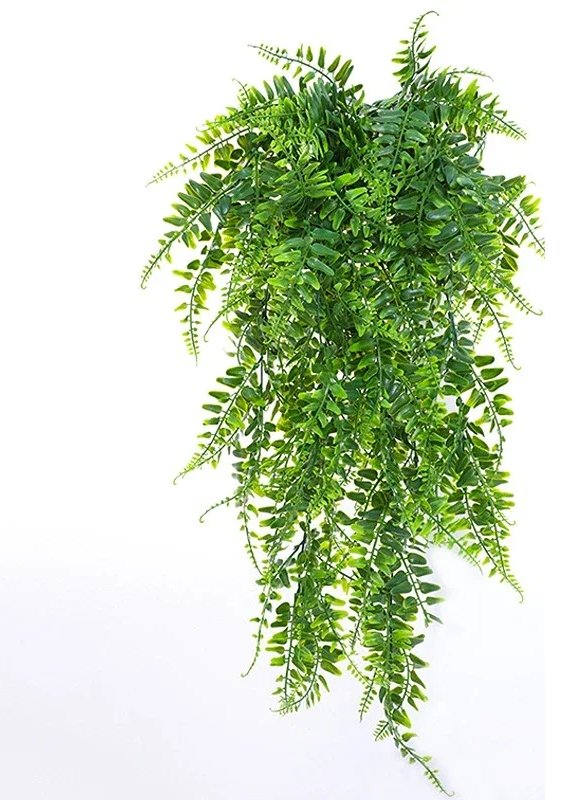
Particularly effective, because the wall-staining problem disappears entirely with no watering, and the one-sided view is exactly what a faux display handles best.
A wall basket of artificial trailing foliage on a fence needs nothing at all after fitting - the artificial range covers them.
Or use a rail planter
The other option for a fence or balcony - a planter that hooks over a rail rather than fixing to a face. No drilling at all, which matters in a rented property.
The hanging planters range covers the alternatives, with free UK delivery over £20.
The short version
- A flat back fixes to the wall, so there is no bracket, no swing and less projection.
- Load sits close to the wall, which means less leverage on the fixing than a bracket.
- The best answer for fence panels, which flex badly under a swinging basket.
- Water runs down the wall behind - use a solid liner and water gently at the front.
- Half the compost of a round basket, so expect to water noticeably more often.
Frequently asked questions
What is a wall-mounted hanging basket?
A half-basket with a flat back that fixes straight onto a wall or fence, so the planting faces outward and forward. There is no bracket, no chains and no swing, and it projects far less into the space.
Are they safer than a bracket?
Often, yes. The load sits close to the wall rather than out on an arm, so there is much less leverage on the fixing - which makes them a good choice on render, timber, or a wall you are unsure about.
Can I fix one to a fence?
Usually, and it is where they shine. A fence panel cannot take a swinging basket on a bracket, but it will take a flat-backed one - fix into a rail or a post rather than the thin panel boards.
Do they mark the wall?
They can, because water runs down the wall behind them and over years that stains brick or render and keeps a patch damp. Choose one with a solid liner and water gently at the front rather than flooding it.
How should I plant one?
As a one-sided display: height at the back against the wall, mounding plants through the middle, and trailers along the front edge only. Nothing trailing at the back, since it has a wall to grow into.